Symptoms and Causes
Common Symptoms Indicating Need for Cervical Cerclage
- Painless cervical dilation during early or mid-pregnancy
- Repeated second-trimester miscarriages
- Short cervix detected during routine ultrasound
- History of preterm birth due to cervical weakness
- Pelvic pressure or a sensation of the baby pushing down
Major Causes of Cervical Insufficiency
- Congenital weakness or abnormal cervical structure
- Previous cervical surgeries such as cone biopsy or LEEP
- Damage to the cervix from childbirth or trauma
- Exposure to DES (diethylstilbestrol) before birth (rare)
- Multiple pregnancies putting extra pressure on the cervix
Treatments
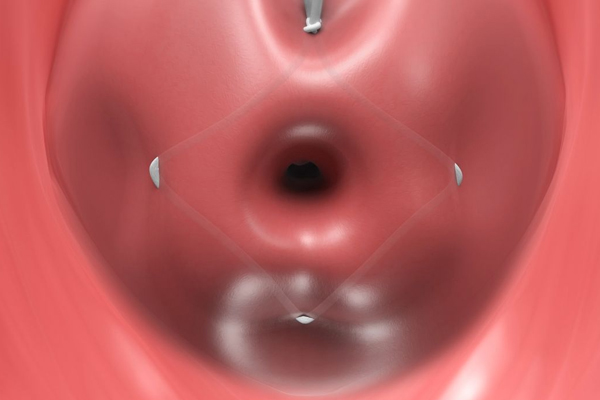
Cervical cerclage strengthens the cervix to support pregnancy and reduce the risk of premature birth.
- Placement of a strong stitch around the cervix, usually between 12–14 weeks of pregnancy
- Emergency cerclage may be performed if cervical dilation is detected later in pregnancy
- Monitoring cervical length through ultrasounds after the procedure
- Medications to reduce uterine contractions if needed
- Stitch removal typically at 36–37 weeks or earlier if labour begins
- Bed rest or activity modification depending on the case
Prevention
Cervical insufficiency is not always preventable, but early diagnosis and appropriate care greatly reduce risks.
- Regular prenatal check-ups to monitor cervical length
- Discussing past pregnancy losses or preterm births with your doctor early
- Avoiding unnecessary cervical procedures that may weaken the cervix
- Managing risk factors such as infections or inflammation promptly
- Following medical advice regarding activity levels during pregnancy
- Seeking immediate care for symptoms like pelvic pressure or spotting