Menstrual Disorders

Menstrual Disorders

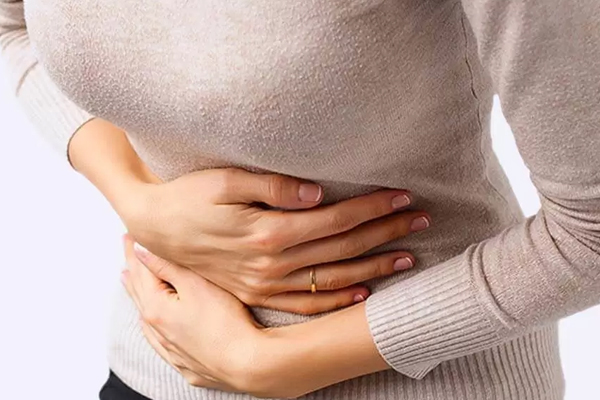
Menstrual disorders refer to abnormalities in a woman’s menstrual cycle, including irregular periods, heavy bleeding, painful periods, missed cycles, or extremely light flow. These conditions can occur due to hormonal imbalances, underlying medical issues, lifestyle factors, or reproductive system disorders. Early evaluation and treatment help restore normal menstrual patterns, reduce discomfort, and improve reproductive health.

Symptoms and Causes

Common Symptoms

  • Irregular periods (less frequent or too frequent cycles)
  • Heavy menstrual bleeding (menorrhagia)
  • Very light bleeding or spotting
  • Painful cramps during periods (dysmenorrhea)
  • Missed periods (amenorrhea)
  • Bleeding between periods
  • Mood swings, fatigue, and bloating
  • Severe pelvic pain or discomfort

Major Causes

  • Hormonal imbalance involving estrogen and progesterone
  • Polycystic ovary syndrome (PCOS)
  • Thyroid disorders (hypothyroidism or hyperthyroidism)
  • Fibroids or uterine polyps
  • Endometriosis or adenomyosis
  • Stress, excessive exercise, or eating disorders
  • Birth control methods affecting menstrual flow
  • Pelvic inflammatory disease (PID)
  • Chronic medical conditions such as diabetes or obesity

Treatments

Treatment depends on the type of menstrual disorder and its underlying cause, and may include:

  • Hormonal therapy (oral contraceptives, progesterone, or hormonal IUDs)
  • Medications to regulate menstrual cycles
  • NSAIDs and pain relievers for menstrual cramps
  • Iron supplements for heavy bleeding to prevent anemia
  • Thyroid or hormonal imbalance correction
  • Management of PCOS with lifestyle changes and medications
  • Minimally invasive procedures for fibroids, polyps, or endometriosis
  • Stress management and lifestyle modifications
  • Nutritional counseling for cycle regulation

Prevention

Many menstrual disorders can be prevented or minimized through healthy habits and early treatment:

  • Maintaining a healthy weight through balanced diet and exercise
  • Managing stress through relaxation techniques, yoga, or meditation
  • Monitoring menstrual cycles to detect irregularities early
  • Regular health check-ups and hormonal evaluations
  • Avoiding excessive exercise or drastic dieting
  • Timely treatment of thyroid issues or PCOS
  • Practicing good hygiene and safe sexual practices to prevent infections
High-Risk Pregnancy Care Normal Delivery & C-Section Infertility Evaluation & Treatment PCOD / PCOS Management Menstrual Disorder Treatment Laser Vaginal Tightening & Rejuvenation Cosmetic Gynaecology 24×7 Women’s Emergency Care