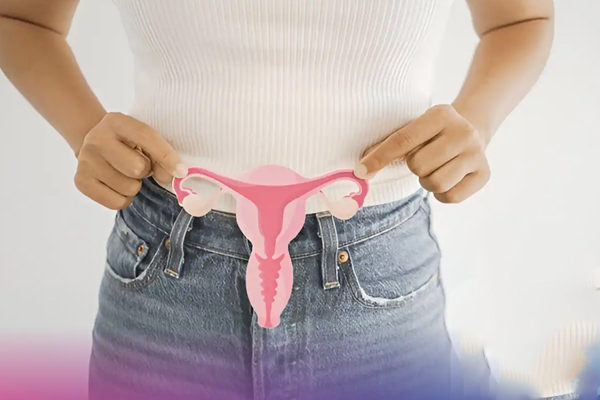
Menopause & Hormonal Care

Menopause & Hormonal Care

Menopause is a natural stage in a woman's life when menstrual periods permanently stop, typically occurring between the ages of 45 and 55. It results from a gradual decline in hormone levels, especially estrogen and progesterone. Many women experience physical and emotional symptoms during this transition, such as hot flashes, mood swings, sleep disturbances, and weight changes. With proper hormonal care, lifestyle adjustments, and medical support, menopause can be managed smoothly to improve comfort, health, and overall well-being.

Symptoms and Causes

Common Symptoms

  • Irregular or skipped periods before they stop completely
  • Hot flashes and night sweats
  • Mood swings, irritability, or anxiety
  • Sleep disturbances or insomnia
  • Weight gain or slowed metabolism
  • Vaginal dryness or discomfort during intercourse
  • Reduced libido
  • Joint stiffness or body aches
  • Memory lapses or difficulty concentrating

Major Causes

  • Natural decline in ovarian hormone production
  • Genetic factors influencing timing of menopause
  • Surgical removal of ovaries leading to sudden menopause
  • Chemotherapy or radiation affecting ovarian function
  • Autoimmune conditions impacting hormone regulation
  • Lifestyle factors such as smoking accelerating menopause onset

Treatments

Treatment focuses on relieving symptoms, balancing hormones, and promoting long-term health during and after menopause.

  • Hormone replacement therapy (HRT) to balance estrogen and progesterone levels
  • Non-hormonal medications for hot flashes, mood swings, or sleep issues
  • Vaginal estrogen creams or moisturizers for dryness
  • Calcium and vitamin D supplementation for bone health
  • Lifestyle counselling including diet, exercise, and weight management
  • Stress reduction techniques such as yoga, meditation, or breathing exercises
  • Regular screenings for bone density, heart health, and metabolic changes
  • Psychological support or counselling for emotional well-being

Prevention

While menopause is a natural process, managing symptoms and supporting health is possible with preventive care and healthy habits.

  • Maintaining a balanced diet rich in calcium, vitamins, and phytoestrogens
  • Regular exercise to reduce hot flashes, improve mood, and support bone strength
  • Limiting caffeine, alcohol, and spicy foods that may trigger symptoms
  • Keeping stress levels low through mindfulness and relaxation practices
  • Avoiding smoking, which accelerates menopause and worsens symptoms
  • Regular gynecological check-ups to monitor hormonal and physical health
  • Early attention to any abnormal bleeding or severe symptoms
High-Risk Pregnancy Care Normal Delivery & C-Section Infertility Evaluation & Treatment PCOD / PCOS Management Menstrual Disorder Treatment Laser Vaginal Tightening & Rejuvenation Cosmetic Gynaecology 24×7 Women’s Emergency Care