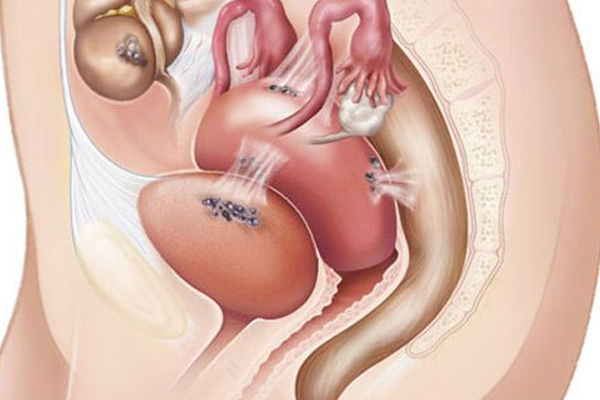
Endometriosis & Pelvic Pain

Endometriosis & Pelvic Pain

Endometriosis is a chronic condition where tissue similar to the lining of the uterus grows outside the uterus, leading to inflammation, scarring, and severe pelvic pain. It commonly affects the ovaries, fallopian tubes, and pelvic lining, and may cause painful periods, difficulty conceiving, and persistent pelvic discomfort. Early diagnosis and proper treatment help manage symptoms, improve fertility, and enhance quality of life for affected women.

Symptoms and Causes

Common Symptoms

  • Severe pelvic pain, especially during menstruation
  • Painful periods (dysmenorrhea)
  • Pain during intercourse
  • Pain while passing urine or stool during periods
  • Heavy or irregular menstrual bleeding
  • Chronic lower back or abdominal pain
  • Difficulty conceiving (infertility)
  • Nausea, bloating, or fatigue

Major Causes

  • Retrograde menstruation causing endometrial cells to implant outside the uterus
  • Genetic or family history of endometriosis
  • Hormonal imbalance involving high estrogen levels
  • Immune system dysfunction allowing misplaced tissue to grow
  • History of pelvic surgery leading to adhesions
  • Inflammatory conditions affecting pelvic organs

Treatments

Treatment aims to relieve pain, slow disease progression, and improve fertility wherever needed.

  • Pain relief medications such as NSAIDs
  • Hormonal therapies to suppress endometrial tissue growth (oral contraceptives, progestins, GnRH agonists)
  • Hormone-regulating injections for severe cases
  • Fertility treatments including ovulation induction, IUI, or IVF when pregnancy is difficult
  • Laparoscopic surgery to remove endometriosis lesions and adhesions
  • Lifestyle modifications such as diet changes, stress management, and regular exercise
  • Physiotherapy for pelvic floor relaxation and pain relief
  • Ongoing monitoring and long-term management plans for chronic symptoms

Prevention

While endometriosis cannot always be prevented, early care and healthy habits can reduce severity and improve comfort.

  • Regular gynecological check-ups to identify symptoms early
  • Maintaining a healthy weight and balanced diet
  • Managing stress through yoga, meditation, or relaxation techniques
  • Tracking menstrual symptoms to detect abnormalities early
  • Avoiding excessive alcohol and caffeine which may worsen symptoms
  • Seeking timely treatment for pelvic infections or menstrual issues
High-Risk Pregnancy Care Normal Delivery & C-Section Infertility Evaluation & Treatment PCOD / PCOS Management Menstrual Disorder Treatment Laser Vaginal Tightening & Rejuvenation Cosmetic Gynaecology 24×7 Women’s Emergency Care