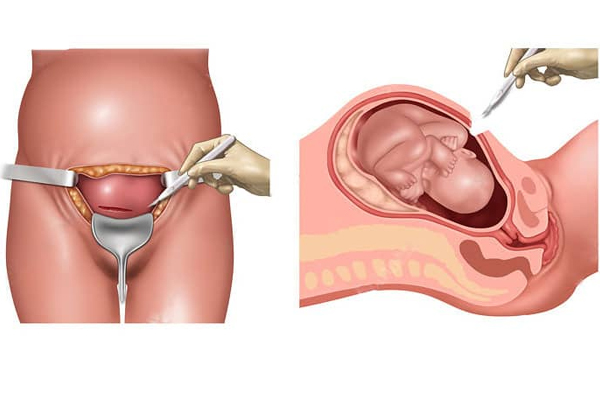
Normal Delivery & C-section

Normal Delivery & C-section

Normal delivery is the natural process of childbirth where the baby is delivered through the birth canal without surgical intervention. It involves spontaneous labour, regular contractions, cervical dilation, and the smooth passage of the baby through the vagina. This method often provides faster recovery, minimal complications, and reduced postpartum discomfort.

A C-section (Cesarean section) is a surgical procedure in which the baby is delivered through incisions made in the abdomen and uterus. It may be planned (elective) or performed in emergency situations when vaginal delivery is not safe for the mother or baby. Although generally safe, C-sections require longer recovery and involve postoperative care.

Symptoms and Causes

Common Symptoms Indicating the Onset of Labour

  • Regular and increasing contractions
  • Lower abdominal or back pain
  • Water breaking (rupture of membranes)
  • Bloody show or mucus discharge
  • Pressure around the pelvis
  • Cervical dilation noticed on examination

Major Causes for Requiring a C-section

  • Prolonged or stalled labour
  • Fetal distress or abnormal heart rate
  • Breech or abnormal fetal position
  • Placenta previa or placental issues
  • Multiple pregnancy (twins/triplets)
  • Cord prolapse
  • Previous C-section or uterine surgery
  • Maternal conditions like hypertension or diabetes

Treatments

Treatment and delivery approach depends on the mother’s health, labour progress, and baby’s condition.

  • Continuous monitoring of labour progress and fetal heart rate
  • Pain relief options such as breathing techniques, epidural, or medications
  • Assisted vaginal delivery (forceps/vacuum) if required
  • Surgical delivery (C-section) when normal delivery is unsafe
  • Postoperative care including wound care and pain management after C-section
  • Newborn monitoring immediately after birth

Prevention

Although not all labour challenges can be prevented, maintaining good maternal health can support a safer delivery.

  • Regular prenatal check-ups during pregnancy
  • Following a healthy diet and staying physically active
  • Taking recommended supplements such as folic acid and iron
  • Avoiding smoking, alcohol, and harmful substances
  • Learning breathing and relaxation techniques for labour
  • Monitoring blood pressure, blood sugar, and fetal growth
  • Discussing delivery plans and previous pregnancy history with your doctor
High-Risk Pregnancy Care Normal Delivery & C-Section Infertility Evaluation & Treatment PCOD / PCOS Management Menstrual Disorder Treatment Laser Vaginal Tightening & Rejuvenation Cosmetic Gynaecology 24×7 Women’s Emergency Care