Family Planning & Sterilization Procedures

Family Planning & Sterilization Procedures

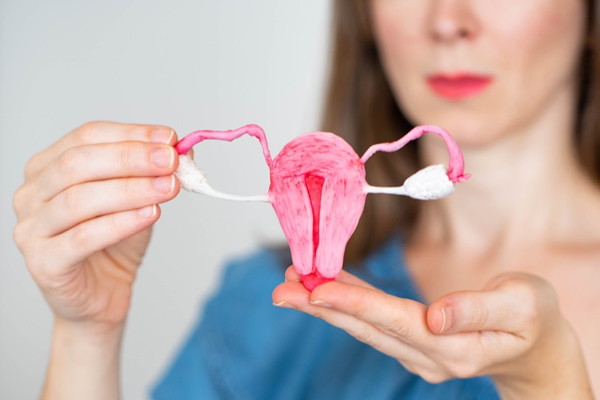
Family planning helps individuals and couples make informed decisions about when to have children and how many children to have. It includes temporary contraceptive methods such as pills, condoms, IUDs, and injections, as well as permanent sterilization procedures like tubal ligation and vasectomy. These services ensure safe, effective, and personalized reproductive choices, improving maternal health and supporting long-term well-being.

Symptoms and Causes

Reasons for Choosing Family Planning

  • Desire to space pregnancies
  • Limiting family size after achieving desired number of children
  • Medical conditions that make pregnancy risky
  • Need for reliable contraception
  • Personal, financial, or career planning

Common Causes for Considering Sterilization

  • Completion of family
  • High-risk pregnancies in the past
  • Genetic concerns affecting future pregnancies
  • Preference for a permanent, worry-free method of contraception
  • Medical conditions where pregnancy should be avoided

Treatments

Family planning involves a range of temporary and permanent options tailored to individual needs.

  • Oral contraceptive pills to regulate ovulation
  • Barrier methods such as condoms to prevent pregnancy and STIs
  • Hormonal injections or implants for long-term contraception
  • Intrauterine devices (IUDs) including copper and hormonal types
  • Emergency contraception for unplanned exposure
  • Permanent sterilization procedures:
    • Tubal ligation (female sterilization) to block fallopian tubes
    • Vasectomy (male sterilization) to block sperm transport
  • Pre- and post-procedure counselling for informed decision-making
  • Fertility guidance for those wanting reversible methods

Prevention

Family planning helps prevent unplanned pregnancies and supports reproductive health through proper planning and contraception.

  • Using reliable contraception consistently
  • Choosing a family planning method that suits health needs and lifestyle
  • Regular follow-ups for those using hormonal or long-term contraceptives
  • Safe-sex practices to prevent sexually transmitted infections
  • Discussing reproductive goals openly with healthcare providers
  • Timely decision-making for sterilization once family planning is complete
High-Risk Pregnancy Care Normal Delivery & C-Section Infertility Evaluation & Treatment PCOD / PCOS Management Menstrual Disorder Treatment Laser Vaginal Tightening & Rejuvenation Cosmetic Gynaecology 24×7 Women’s Emergency Care