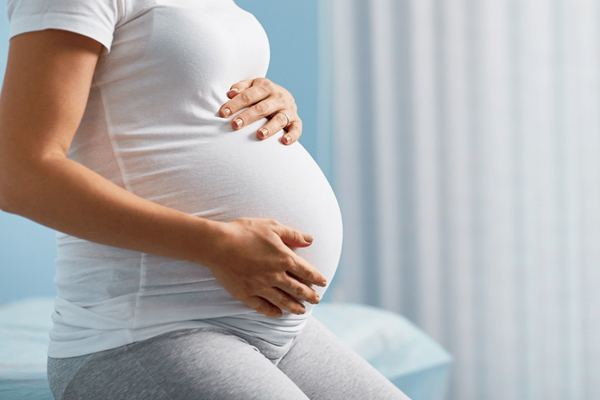
High-risk pregnancy

High-risk pregnancy

A high-risk pregnancy is when the mother or baby has a higher chance of health complications before, during, or after delivery. This may be due to pre-existing medical conditions, issues that develop during pregnancy, or factors like age and lifestyle. Being labeled “high-risk” does not mean something will definitely go wrong — it simply means that the pregnancy needs extra monitoring, timely check-ups, and specialised care to ensure the best outcome for both mother and baby.

Symptoms and Causes

Common Symptoms

  • Severe or persistent abdominal pain
  • Vaginal bleeding or fluid leakage
  • Severe headaches or blurred vision
  • Sudden swelling of hands, feet, or face
  • Reduced or absent fetal movements
  • High blood pressure or extremely low/high blood sugar
  • Persistent vomiting or dehydration
  • Preterm contractions

Major Causes

  • Maternal age: younger than 17 or older than 35
  • Pre-existing conditions: diabetes, hypertension, thyroid disorders, kidney disease
  • Pregnancy-related issues: preeclampsia, placenta previa, multiple pregnancy (twins/triplets), fetal growth restriction
  • Lifestyle factors: smoking, alcohol, poor nutrition, obesity
  • History of complications: previous preterm birth, miscarriages, C-section, or stillbirth

Treatments

Treatment depends on the specific risk factors and may include:

  • Frequent antenatal visits and monitoring
  • Ultrasounds, blood tests, and fetal well-being scans
  • Medications to control blood pressure, blood sugar, thyroid imbalance, or prevent preterm labour
  • Nutritional guidance and supplements like folic acid, iron, and calcium
  • Hospital admission in severe cases such as preeclampsia or risk of early delivery
  • Planned delivery (induction or C-section) when necessary to ensure safety of mother and baby
  • Specialist involvement such as maternal-fetal medicine experts

Prevention

While not all high-risk pregnancies can be prevented, many risks can be reduced through:

  • Regular prenatal check-ups from early pregnancy
  • Managing existing medical conditions before and during pregnancy
  • Maintaining a healthy weight and balanced diet
  • Taking recommended supplements (folic acid, iron, etc.)
  • Avoiding smoking, alcohol, and drugs
  • Staying physically active as guided by your doctor
  • Monitoring blood pressure and blood sugar regularly
  • Seeking immediate care for unusual symptoms like bleeding or severe pain
High-Risk Pregnancy Care Normal Delivery & C-Section Infertility Evaluation & Treatment PCOD / PCOS Management Menstrual Disorder Treatment Laser Vaginal Tightening & Rejuvenation Cosmetic Gynaecology 24×7 Women’s Emergency Care